
The Ultimate Guide to Building on a Rural or Lifestyle Block in Cambridge and the Waikato
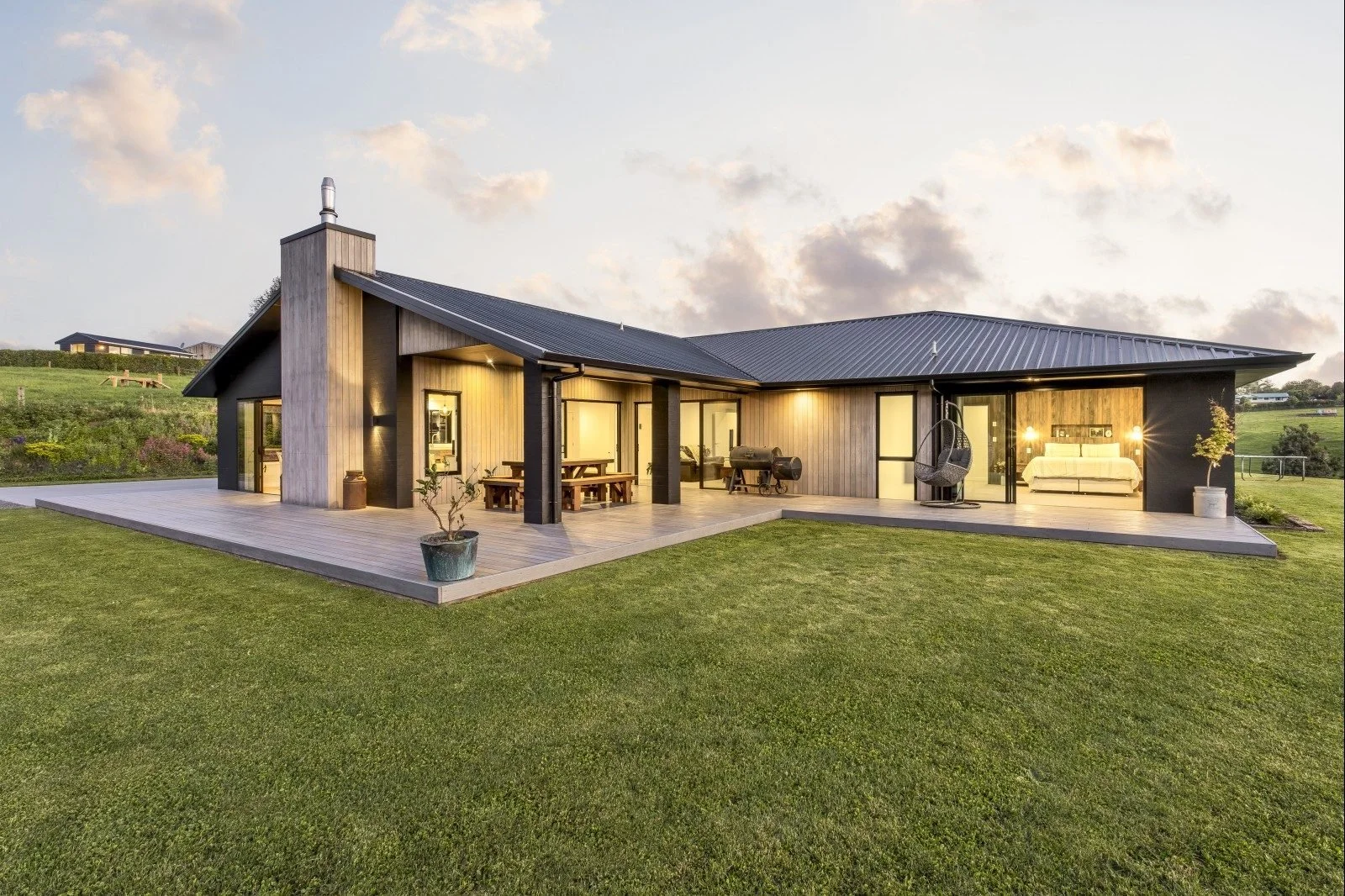
Building on a rural or lifestyle block in New Zealand is one of the most rewarding ways to create a home. You get privacy, space, incredible views, and the freedom to design a home that truly reflects your lifestyle.
Bu rural building also comes with unique requirements — from geotechnical testing and accessways to water supply, drainage, and council regulations. If you’re planning to build on a lifestyle block anywhere in NZ (especially Cambridge, Hamilton, or the wider Waikato), this guide will give you everything you need to start strong.
What Makes Rural Builds Different in Cambridge and the Waikato
Rural construction requires more planning than suburban builds. Factors like services, soil type, and access can significantly influence cost and design.
Key differences in rural building:
Limited access to water, power, and wastewater services
High or very high wind zones
Greater earthworks and site preparation
Council rules for rural zones (setbacks, colours, environmental impact)
Larger distances for delivery of materials
A stronger focus on designing with the land
This is why choosing a builder experienced in rural construction is essential.
Start With a Full Site Assessment
Before designing a rural home, it’s important to understand the conditions of the land. A detailed site assessment ensures the home is designed correctly from day one.
Your rural site assessment should include:
Geotechnical report (soil conditions, drainage, foundation requirements)
Wind zone assessment (common in Cambridge & Waikato lifestyle blocks)
Slope and contour analysis
Access for trucks and construction equipment
View orientation to position living areas and outdoor spaces
Sun path and natural light planning
A well-designed rural home always starts with the land — not the other way around.
Understanding Services for Rural and Lifestyle Blocks
Most rural sections don’t have the same infrastructure as a suburban subdivision. Budgeting for these early prevents surprises later.
Water supply options:
Rainwater collection tanks
Bore water
Rural water supply lines (in limited areas)
Power connection:
Standard power connection (overhead or underground)
Solar or off-grid systems
Wastewater systems:
Septic tanks
Aerated treatment plants
Dripline disposal fields
Stormwater considerations:
Onsite soakage
Swales or dedicated drainage channels
These services can influence both the cost and layout of a rural home.
Smart Rural Home Design That Works With the Land
Designing for a lifestyle block is all about enhancing what makes the property unique. MDB Homes specialises in rural home design that blends practicality with architectural appeal.
Key design considerations:
Capturing views with strategic window placement
Maximising natural light and warmth
Sheltering outdoor spaces from strong rural winds
Selecting durable materials suitable for exposed environments
Layouts that suit rural living (mudrooms, larger garages, storage, pet areas)
A well-designed rural home should feel connected to the land while still being functional for everyday living.
Council Requirements for Building on a Lifestyle Block
Rural zones often have different rules than residential subdivisions. Your builder should handle these, but it’s helpful to understand common requirements.
You may need resource or building consent for:
Accessways and right-of-ways
Earthworks and retaining
Water tanks
Wastewater disposal systems
Building close to waterways
Construction in high-wind zones
Exterior colour and cladding restrictions
Good preparation helps avoid delays in the consent process.
Budgeting for a Rural Build in the Cambridge and the Waikato
Rural builds can involve additional costs, depending on the location and site conditions.
Typical extra costs may include:
Long private driveways
Power trenching
Water storage tanks and pumps
Septic or treatment systems
Extra earthworks
Stormwater management
Rural fencing
Additional drainage or retaining walls
Where rural builds can save money:
Fewer restrictions than subdivisions
Larger sites = easier positioning for sun and views
More flexibility around home shape and footprint
Working with an experienced rural builder ensures your budget is realistic from the start.
Choosing the Right Rural Builder in Cambridge and the Waikato
Not every builder is equipped to handle rural construction. You want a builder who understands:
High wind-zone construction requirements
Rural earthworks and soil conditions
Power and water infrastructure
Council rules for rural development
Logistics of working on remote sites
Designing homes that suit lifestyle living
MDB Homes has extensive experience building on lifestyle blocks in Cambridge, Hamilton, Te Miro, and the wider Waikato — ensuring every home is matched to the land and the owners’ lifestyle.
Why Lifestyle Block Living Is Worth It
Despite the planning involved, rural building offers benefits you can’t get in town:
Peace and privacy
Expansive outdoor space
Ability to add sheds, stables, gardens, and hobby areas
Room for family growth
Higher long-term property value
A home tailored to your land, not restricted by neighbouring boundaries
It's a lifestyle investment as much as a housing decision.
Ready to Build Your Dream Rural Home?
If you’re considering building on a lifestyle block anywhere in the Waikato, MDB Homes can guide you through every step — site assessment, concept design, consents, and construction.
MDB Homes — Homes That Complement Your Land and Lifestyle..
View our Renovations Services
See Recent Projects in Our Portfolio
Get in Touch with MDB Homes