
What To Do Before You Engage an Architect - A Waikato Homeowners Guide
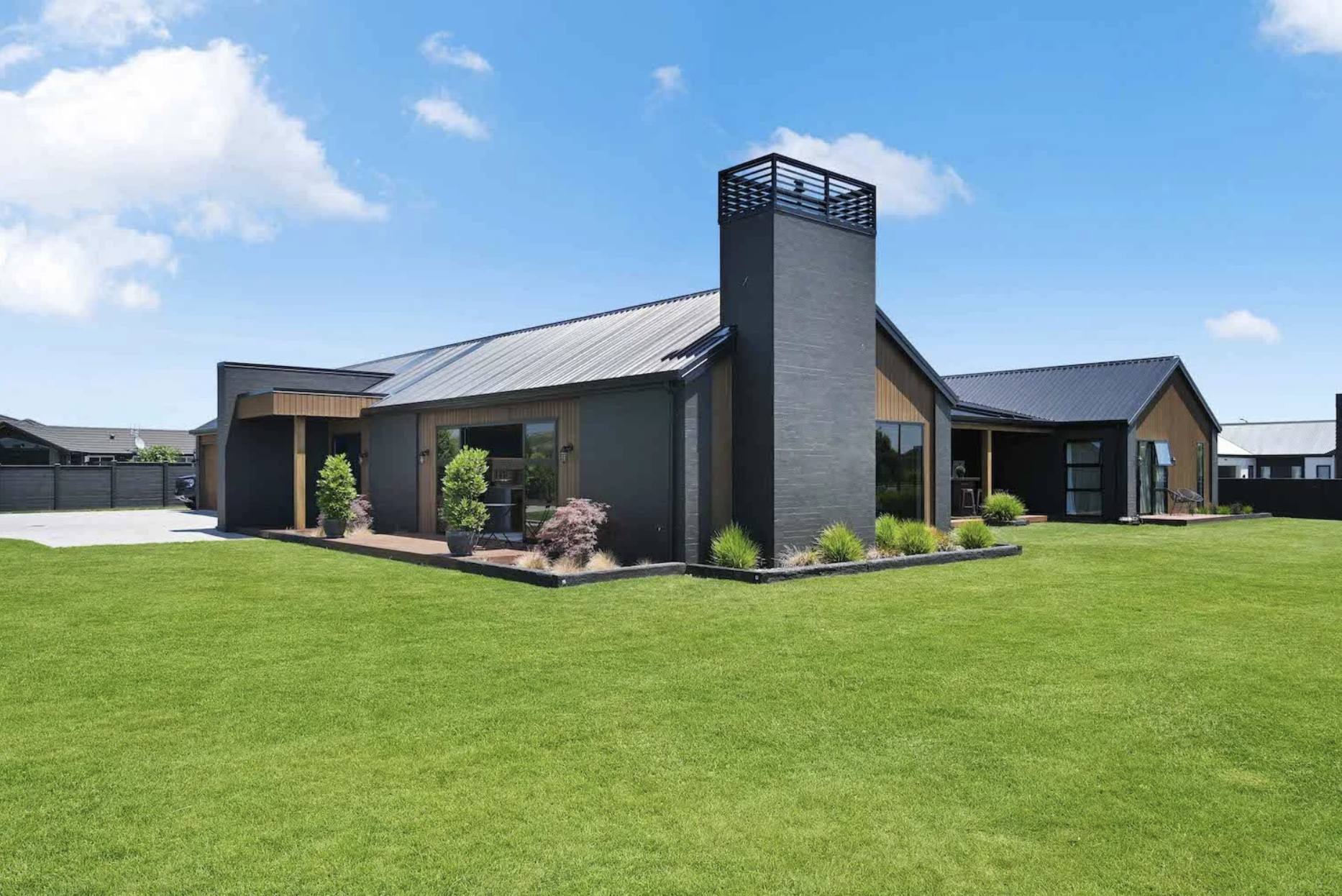
If you’re planning a new build or major renovation in Cambridge, Hamilton or the greater Waikato, one of the first questions you’ll face is:
“Should we engage an architect first?”
It’s a fair question — but in most projects, the best results come from doing a few key steps before you start paying for design drawings.
It’s an important question — and a reasonable one. Building a home is one of the biggest financial decisions most people will ever make.
But unlike buying an existing house, there’s no single price tag that applies to every project.
The reality is simple: no two custom homes are the same, and the final cost depends on a range of factors — from design and site conditions to specification, services, and compliance.
At MDB Homes, we’ve seen it time and time again:
A client engages an architect
The concept plans look incredible
Then the pricing comes back… and it’s nowhere near the budget
Or the design doesn’t suit the land, site conditions, or council requirements
That’s when projects end up in redesign loops, delays, and unnecessary cost.
This guide will walk you through what to do before you engage an architect so your project starts with clarity, confidence, and real-world buildability — especially if you’re building on a lifestyle or rural property in Waikato.
Why This Step Matters - Before You Spend Money on Plans
Before you engage an architect, your goal should be to reduce risk in three areas:
Budget risk (designing something you can’t build)
Site risk (designing something your land won’t support)
Consent risk (designing something council may reject or delay)
When these are understood early, the design phase becomes smoother, faster, and far more accurate.
Key Factors to Get Right Before You Engage an Architect
1. Clarify Your Budget Range Before You Design Anything
This is the single biggest mistake we see:
People design first, then try to “make the budget fit”.
But the reality is: design drives cost.
Before you engage an architect, get a realistic view of your total project cost including:
Build cost (house structure + labour)
This includes the core build and spec level.
Site works (often underestimated in Waikato rural builds)
Such as:
earthworks
retaining
drainage and stormwater
access for concrete trucks and deliveries
Services (especially on lifestyle blocks)
Common items include:
septic system
water tank supply, pumps, filtration
rural power connection (can be significant)
Professional + compliance costs
Including:
engineering
consent documentation
council fees
inspections
A contingency allowance
Because programme risk and material movement still exists in real builds.
Tip: If you don’t know your budget range yet, a builder consult or early feasibility conversation can save you thousands in redesign time.
2. Understand Your Site Conditions - Especially on Lifestyle Blocks
If you’re building in Cambridge, Karāpiro, Te Miro, Matamata, Tamahere, or wider Waikato, your site can massively affect cost and buildability.
Before design, try to understand:
where the best building platform is
how water moves across the land in heavy rain
whether the ground needs geotech input
whether driveway access is realistic for machinery and trucks
whether retaining walls will be required
where services will go (septic, tank, power)
Even the best architect can only design based on the information available — so the more clarity you have early, the better the outcome.
3. Get Clear on Your “Must-Haves” vs “Nice-to-Haves”
Pinterest inspiration is great — but most successful builds start with a proper brief.
Before you engage an architect, write down:
Your non-negotiables
For example:
4 bedrooms + 2 bathrooms
second lounge
master suite separation
scullery or pantry
large garage (and what it must fit)
Lifestyle requirements (big for rural Waikato homes)
mudroom / boots / coats
storage for lifestyle living
indoor-outdoor entertaining
future-proofing (kids, aging, work-from-home)
Your priorities
size / floor area
specification & finishes
speed of build
architectural detail
low maintenance / durability
cost certainty
This helps your architect design with intent — and stops the project becoming “beautiful but impractical”.
4. Learn the Basics of Council & Consent Requirements Early
Before you engage an architect, it helps to understand whether your design ambitions align with local requirements.
Depending on where you’re building in Waikato, common early considerations include:
height-to-boundary and daylight controls
site coverage and setbacks
flood zones or overland flow paths
geotech / foundation requirements
driveway entrance location and gradients
easements and service corridors
This isn’t about becoming an expert — it’s about avoiding major design changes later.
5. Bring a Builder In Early - Before Concept Plans Are Locked In
A lot of clients think this is the sequence:
Hire architect
Finish plans
Get builder pricing
Build
But the most cost-effective sequence is often:
Early builder input → design informed by budget and buildability
This doesn’t mean the architect isn’t valuable — it means the architect does their best work when they know:
realistic budget expectations
what’s efficient to build
where the cost drivers are hiding
Early builder engagement helps reduce:
redesign cycles
time delays
surprises in pricing
stress once construction starts
At MDB Homes, we’re big on proactive planning — because it’s the cheapest way to protect the end result.
6. Know the Difference Between Concept Design and Build Cost
Two homes might look similar in a concept drawing…
…but build cost can change dramatically based on:
roof shape and complexity
large spans and structural requirements
joinery package size (windows/doors)
cladding selection and detailing
foundation type
site access and logistics
This is why early costing guidance is crucial before you commit to specific design features.
7. Create a Realistic Timeline - Work Backwards
If you’re aiming for:
“We want to start building in spring”
“We want to move in by Christmas”
“We need this finished before school holidays”
You should work backwards with the real timeline:
design + revisions
engineering
consent documentation
council processing timeframe
pricing / procurement
contract sign-off and programme planning
Starting with a realistic timeline reduces stress and helps you make smarter decisions early.
So… Should You Engage an Architect First?
In many cases: yes — but not without groundwork.
The best time to engage an architect is when you already have:
✅ a clear budget range
✅ an understanding of your site constraints
✅ a brief that reflects your lifestyle needs
✅ early input from a builder (if you want cost certainty)
✅ a realistic project timeline
That’s how you avoid designing something that looks great but doesn’t stack up in real life.
MDB Homes Advice: Start with Clarity, Then Design
At MDB Homes, we specialise in:
new builds
high-end renovations
lifestyle block homes
across Cambridge and the Waikato region.
We believe the best builds are the ones where the client feels:
informed
supported
protected from surprises
confident every step of the way
That’s why we put so much emphasis on planning, budgets, and getting the right team in place early.
Thinking About Building or Renovating?
We don’t believe in designing blind. We help Waikato homeowners get clear on budget, site realities, and buildability early — so the design stage is smoother and the build runs with confidence.
Planning a custom home in the Waikato? Let’s start it properly from day one.
Contact MDB Homes first and let’s chat about how we can help turn your ideas into something beautifully built — together.
We’ll help you start the journey right, with expert advice and honest conversations from day one.